
Couturier
Ulyana
Sergeenko
The only couturière from Russia, and the only person in the post-Soviet world entitled to be legally called one.
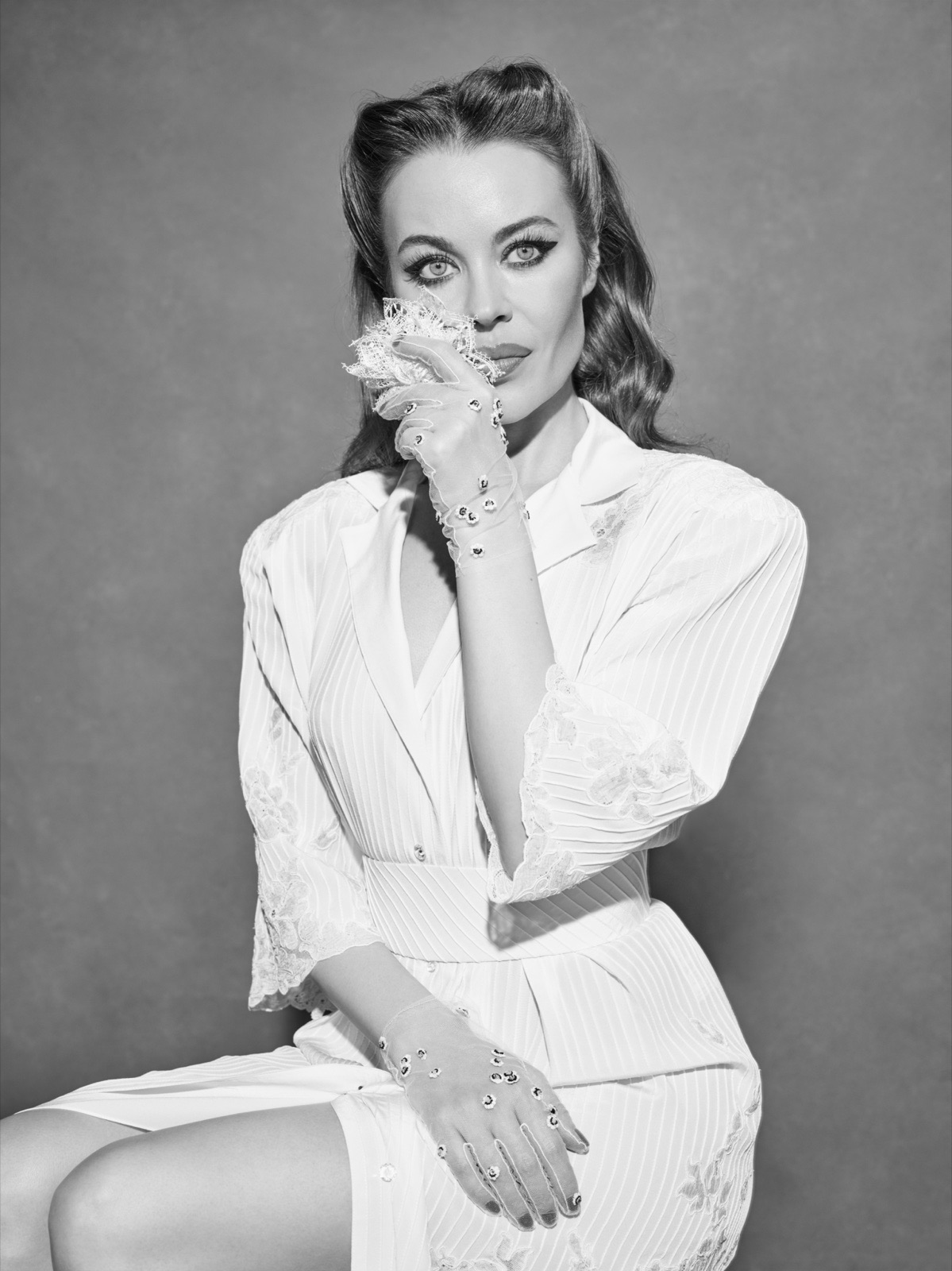
Ulyana Viktorovna Sergeenko was born in Ust-Kamenogorsk (Kazakhstan, USSR) to a family of linguists. “I've been in couture since childhood,” the designer often jokes.
After finishing school Ulyana moved to Russia and graduated from the Philology Faculty of Saint Petersburg State University, after which she relocated again — this time to Moscow.
Ulyana was drawn to fashion from an early age, putting together stylish looks even amid the hardships of the 1990s, while her family's traditions of sewing and needlework helped satisfy her drive to look distinctive. Images of a Soviet childhood — books, toys, family photographs — would later become an essential part of the brand's DNA.
By the early 2010s Ulyana had developed a recognisable personal style built on vintage elements, cinematic retro aesthetics and sensuality. By 2010 she was already an internationally known street-style icon and one of the “Russian Tsarinas” of Paris — her looks were covered by the leading fashion magazines.
This success, and the wish to develop her style on a larger scale, led Ulyana from being a client of fashion houses to becoming the creator of her own brand. A special place in the House's founding story belongs to Natalia Vodianova — Ulyana's friend, who inspired her to create her own Haute Couture collection.
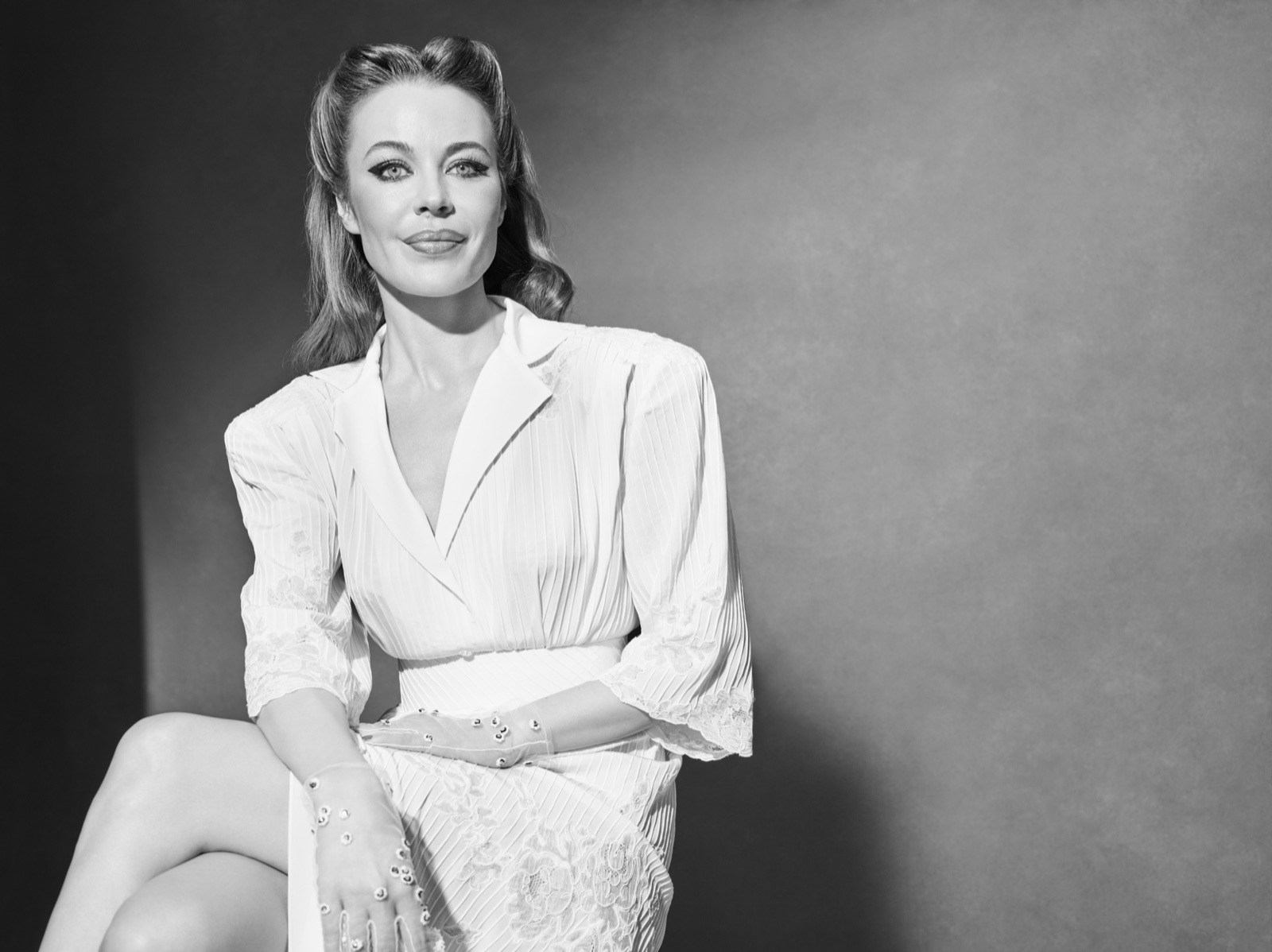
Maison Ulyana Sergeenko was founded in Moscow in 2011. The debut show drew attention for its original concept: Ulyana imagined what Vogue might have looked like had it been published in the Soviet Union of the 1950s. In July 2012 Ulyana debuted at Paris Haute Couture Week, bypassing the traditional ready-to-wear route.
By the mid-2020s Ulyana had achieved remarkable success. The House that bears her name continues to grow, remaining the only fashion brand from the post-Soviet world admitted to the Chambre Syndicale de la Haute Couture as a permanent member. Ulyana herself remains notably private in public life, preferring to give herself to her work or to spend time within a private circle of like-minded aesthetes.
“I had a wonderful childhood. When I need strength, I return to it, to my native land.”